
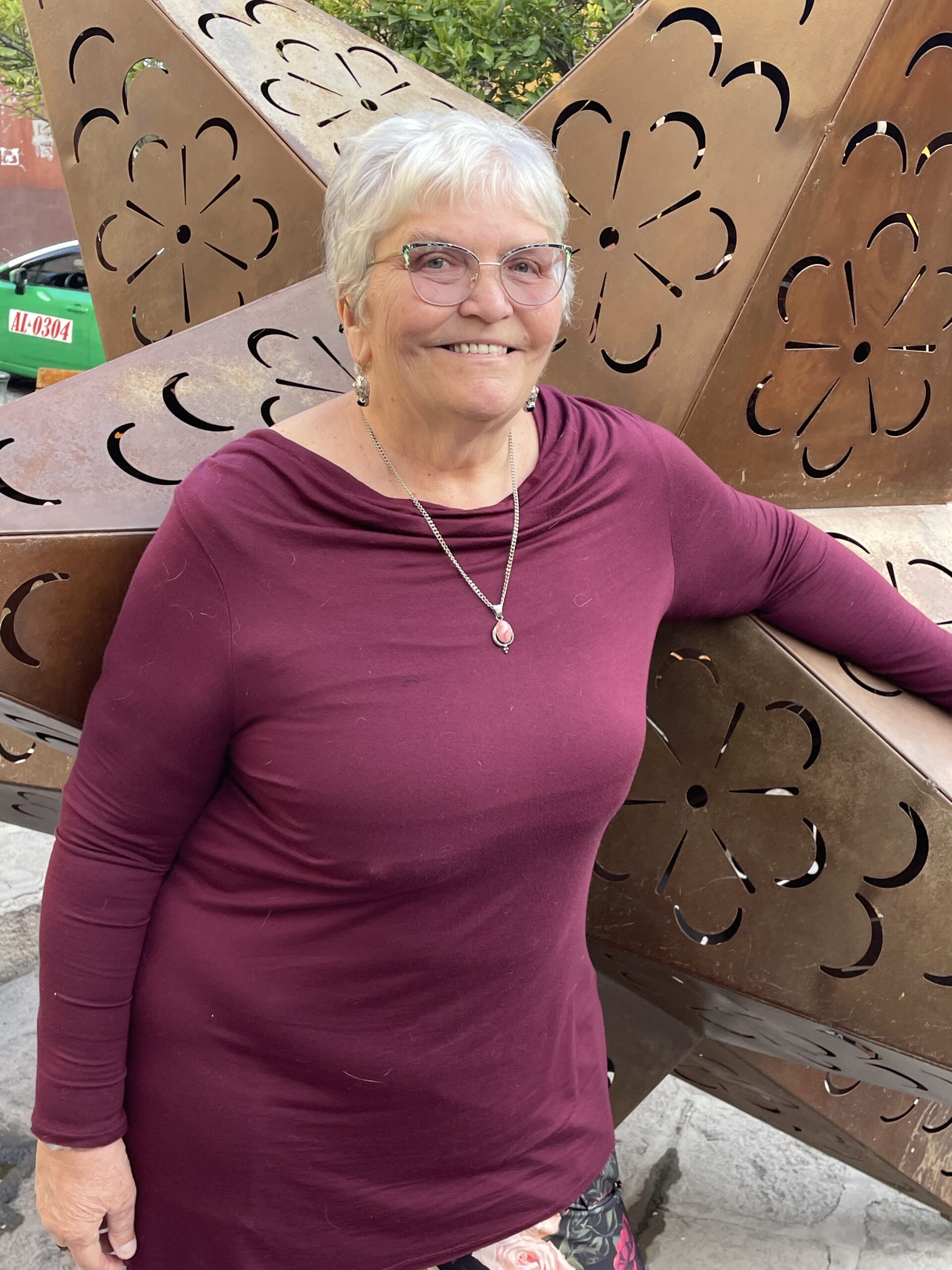
Bringing the Inside Out: A Conversation with Diane Funston

There are poets who write about the world around them, and then there are poets who seem to write from within it—listening closely to its seasons, its losses, and its quiet revelations.
Where It Begins
Diane Funston writes poetry the way a gardener tends soil—patiently, intuitively, and with a deep respect for what grows beneath the surface.
When I sat down with Diane for a recent PoetryBuzz Press interview, I expected to talk about poetry. What I was refreshed by is how often our conversation would circle back to community, creativity, and the importance of paying attention.


Growing up in Rochester, NY Diane found her way to poetry through Leaves of Grass by Walt Whitman—a book that has opened the door for so many writers before her. For Diane, it wasn’t just inspiration. It was recognition.
“Bringing the inside out,” she said, when I asked what poetry means to her.
It’s a simple answer, but it lingers. And the more she spoke, the more it became clear that everything in her creative life (on and off the page) moves toward that same act of uncovering.
A Sense of Place
If poetry were a place, Diane doesn’t imagine a classroom or a stage. She imagines a redwood forest. Quiet. Expansive. Grounded. A place where you can feel both small and deeply connected at once.
That sense of place is no accident. Alongside loss, it’s one of the themes that continues to surface in her work, sometimes subtly, sometimes unmistakably.
Poems, for Diane, don’t come from a single direction. Sometimes they’re sparked by new experiences. Other times they rise up from older emotional terrain—memories, triggers, things that haven’t quite settled. Either way, something asks to be explored, and she listens.
A Creative Life Beyond the Page
Outside of writing, Diane’s creative life is just as layered. She gardens. She works in mosaic, collage, and needle felting. And the more she described these practices, the more they felt connected to her poetry. There’s a similar attention to detail, to patience, to letting something take shape rather than forcing it.
Her writing process reflects that same openness. She loves prompts—not as constraints, but as entry points. A place to begin when the page feels too wide.
And like many writers, her relationship with the work has changed over time.
“I’ve become less self-conscious and much more confident,” she said.
It’s the kind of statement that doesn’t try to impress—it just tells the truth. Confidence, in her case, didn’t come first. It came from continuing to show up.
Honesty Over Form
When I asked whether writing feels more like letting your guard down or building a wall, her answer was immediate.
“For me, it’s letting myself be honest and authentic.”
That honesty carries into how she approaches craft. Traditional forms, she admitted, can feel like a “straightjacket,” though she holds space for Asian short forms, which offer a different kind of freedom. Rhyme isn’t something she leans on either, unless it happens naturally as slant rhyme.
Nothing forced. Nothing ornamental for the sake of it.
Community Is Everything
At one point, we talked about community, and her tone shifted—not dramatically, but enough to feel the weight of it.
“Community is everything.”
Much of her current connection to other poets happens through Zoom, though she still feels deeply tied to the East Coast poetry spaces she loves to visit. That sense of belonging, of shared creative energy, continues to shape how she writes and how she moves through the literary world.
What Poetry Isn’t
We also touched on what people often get wrong about poetry.
“It is not old school, flowery, and long,” she said.
And she’s right. The poems being written now and the ones she’s writing, are alive in a different way. They’re immediate. They breathe. They don’t ask permission to be understood.
Passing It On
Before we wrapped, I asked her about a poem she wishes she had written.
She didn’t hesitate: “The Tooth Fairy” by Dorianne Laux.
She also recommended Steve Kowit’s In the Palm of Your Hand, a collection and resource that has guided many poets in finding their voice.
And for those just starting out?
Her advice was simple, and it felt like it came from experience rather than theory:
Get yourself out there.
Open mics. Workshops. Conversations.
Because poetry might begin alone,but it doesn’t stay there.
Watch the Interview
Watch the full interview with Diane Funston below and step into the conversation for yourself.